
Cobalt vs Titanium Drill Bits
Choosing between cobalt and titanium drill bits comes up often when drilling into metal, hardwood, or tougher materials. Both are commonly labeled as upgrades over standard high-speed steel bits, and both are widely available at hardware stores. The problem is that the names alone do not clearly explain how they differ in real-world use.
This guide breaks down how cobalt and titanium drill bits actually perform, how they are made, and which situations favor one over the other. The goal is to help DIY users understand what they are buying and avoid choosing a bit based only on marketing claims.

|
|
|
$75.59
|
$91.86
|
Key Differences at a Glance
The biggest difference between cobalt and titanium drill bits is how their durability is achieved. Cobalt drill bits are made from steel that has cobalt mixed into the metal itself. This means the cutting edge stays consistent even as the bit wears down over time.
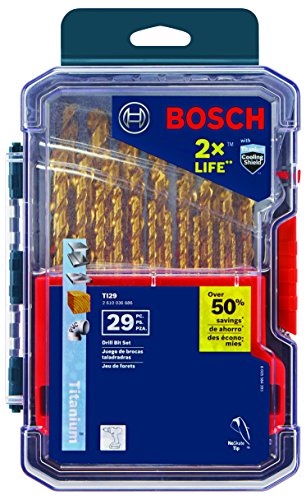
Titanium drill bits, by contrast, are usually standard high-speed steel bits coated with a thin layer of titanium nitride. That coating reduces friction and heat, which helps the bit cut faster and last longer than uncoated steel. Once the coating wears off, however, the bit performs much like a regular steel bit.
In practical terms, cobalt bits are built for sustained cutting in hard materials, while titanium bits focus on efficiency and speed during lighter-duty work. This distinction affects how long the bit lasts, how it handles heat, and whether it can be sharpened later.
Performance and Use Cases
Cobalt drill bits excel when drilling through hard metals such as stainless steel, cast iron, or hardened steel. The added cobalt allows the bit to withstand high temperatures without losing hardness, which is critical when drilling slowly through dense material. For most DIY metalworking tasks that involve tougher alloys, cobalt bits provide more consistent results with less risk of burning out the cutting edge.
Titanium drill bits perform well in softer materials like aluminum, mild steel, plastic, and wood. The titanium coating helps reduce friction, allowing the bit to cut cleanly with less pressure. This makes them well suited for general-purpose drilling where speed and smooth entry matter more than extreme durability.
In practice, many homeowners reach for titanium bits for everyday projects such as mounting hardware, drilling pilot holes, or working with sheet metal. Cobalt bits tend to come out when a project clearly involves thick or hardened metal that would quickly dull a standard bit.
Durability and Longevity
Durability is where cobalt drill bits clearly stand apart. Because cobalt is mixed throughout the bit, the cutting edge retains its heat resistance even after repeated use. This allows cobalt bits to last longer under demanding conditions, especially when drilling multiple holes in hard metal.
Another advantage is that cobalt bits can be sharpened multiple times without losing their effectiveness. Since there is no coating to wear away, sharpening restores the edge rather than exposing weaker material underneath. This makes cobalt bits a long-term investment for users who maintain their tools.
Titanium drill bits offer improved lifespan compared to plain steel, but only while the coating remains intact. As the titanium nitride layer wears down, friction increases and cutting efficiency drops. Sharpening a titanium-coated bit removes the coating at the cutting edge, which largely eliminates the benefit that made it appealing in the first place.
Heat Resistance and Cutting Speed
Heat management plays a major role in drilling performance. Cobalt drill bits are designed to handle high heat without softening, which allows them to cut effectively at lower speeds. This controlled approach reduces work hardening in metals like stainless steel, where excess heat can actually make drilling more difficult.
Titanium drill bits are optimized for reduced friction, which allows for faster drilling speeds in softer materials. The coating helps shed heat quickly during short drilling sessions, making the bit feel smooth and responsive. However, sustained heat buildup can shorten the coating’s lifespan if the bit is pushed too hard.
A common approach is to match cutting speed to material hardness. Slower speeds with steady pressure favor cobalt bits, while moderate speeds with lighter pressure work well for titanium bits in general-purpose tasks.
Cost and Value Considerations
Cobalt drill bits typically cost more than titanium-coated bits, especially when purchased individually or in small sets. The higher price reflects the material composition and the longer service life when used correctly. For users who frequently drill metal, the cost can be justified by reduced replacement frequency.
Titanium drill bits are often sold in affordable multi-bit sets, making them appealing for homeowners who want versatility without a high upfront cost. For occasional drilling, the performance improvement over standard steel is noticeable and usually sufficient.
Value depends largely on how the bits are used. Buying cobalt bits for light-duty wood or plastic drilling offers little advantage, while relying on titanium bits for hardened steel often leads to early failure and frustration.
Which Option Makes More Sense
For projects that involve frequent metal drilling, especially into stainless steel or thick stock, cobalt drill bits are the more practical choice. Their ability to withstand heat, resist wear, and be resharpened makes them better suited for demanding tasks. They reward careful technique and proper speed control.
Titanium drill bits make more sense for general DIY use where materials vary and drilling demands are moderate. They offer smoother cuts and longer life than basic steel bits without requiring the investment or technique sensitivity of cobalt.
In many home workshops, a mixed approach works well. Titanium bits handle everyday tasks, while a few cobalt bits are kept on hand for tougher materials that would quickly dull other options.
Final Verdict
Cobalt and titanium drill bits are not direct replacements for one another, despite often being grouped together as premium options. Cobalt bits prioritize durability and heat resistance for hard metals, while titanium bits focus on efficiency and ease of use for lighter materials. Understanding that difference helps ensure the right bit is chosen for the job, rather than relying on the label alone.