
Drilling into metal should feel controlled and predictable, but many DIY users run into the same problem: the drill bit skates across the surface instead of cutting in. This makes it hard to place holes accurately and increases the risk of damaging the workpiece or the bit. The issue is common, even with new tools, and it usually comes down to technique and setup rather than power.
Understanding why a drill bit slips on metal helps prevent frustration and wasted time. With the right bit, preparation, and drilling method, most metal surfaces can be drilled cleanly and accurately. The sections below explain what causes slipping and how to fix it in a practical, repeatable way.
Quick Answer
A drill bit slips on metal because the surface is hard and smooth, giving the bit nothing to bite into at the start. Using the wrong bit type, incorrect speed, or too little pressure also makes slipping more likely. In many cases, the bit is spinning before it has a defined starting point.
This rule changes when the metal is thin, soft, or already marked. Softer metals like aluminum are easier to start, while hardened steel requires extra preparation. When a pilot hole or center punch is used, even hard metals can be drilled accurately with minimal slipping.
How Drill Bit Size Works
Drill bit size affects how easily the bit can start cutting into metal. Larger bits have wider tips, which makes them more likely to skate across the surface before cutting. Smaller bits concentrate force at a narrower point, helping them dig in faster.
A common approach is to start with a smaller pilot hole and then enlarge it to the final size. This reduces slipping and keeps the larger bit centered. For most DIY projects, a pilot hole that is about one third the diameter of the final hole works well.
Point angle also matters. Standard metal drill bits usually have a 118-degree or 135-degree tip angle, which is designed to cut metal efficiently. Bits with a split-point tip are especially helpful because they self-center and reduce walking on smooth surfaces.
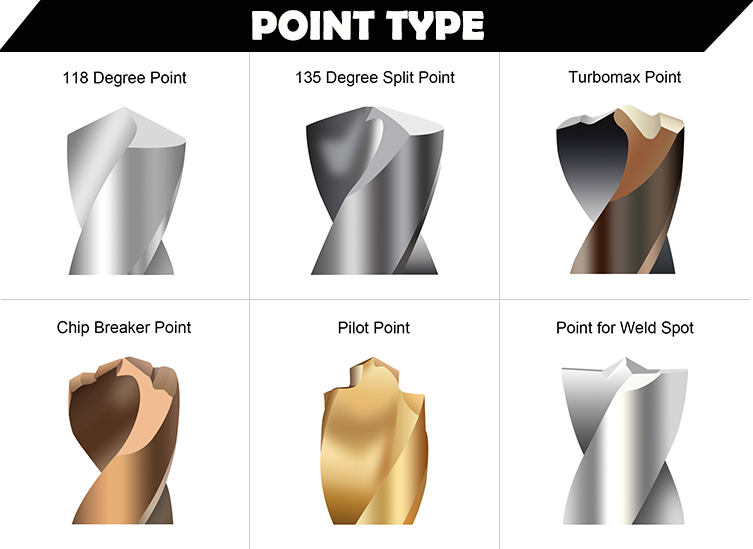
Best Drill Bit Type for This Job
Using the correct drill bit type is one of the most important factors in preventing slipping. Wood bits and masonry bits are not designed to cut metal and will skid across the surface. For metal, high-speed steel (HSS) bits are the most common choice for DIY use.
Cobalt and titanium-coated bits are also effective, especially on harder metals. Cobalt bits are made from a harder alloy and maintain their cutting edge at higher temperatures. Titanium-coated bits reduce friction, though the coating wears off over time.
For most DIY projects involving steel, aluminum, or sheet metal, a sharp HSS or cobalt bit is sufficient. A split-point design further improves starting accuracy. Dull bits should be replaced or sharpened, as even the right type will slip if the cutting edges are worn.
Material Considerations
Different metals behave differently when drilled, and this affects how likely a bit is to slip. Soft metals like aluminum and brass are easier to drill but can still cause slipping if the surface is smooth. Harder metals like steel or stainless steel resist cutting and require more preparation.
Surface condition plays a role as well. Painted, polished, or oily metal surfaces are especially slippery. Cleaning the surface and removing coatings at the drilling point helps the bit grip more effectively.
Thickness also matters. Thin metal tends to flex, which can cause the bit to wander or catch unexpectedly. Clamping thin material securely to a backing board reduces movement and helps the bit stay on target.
Common Mistakes to Avoid
One common mistake is starting the drill at full speed. High speed makes the bit more likely to skid before it can cut. A slower speed at the start allows the tip to bite into the metal.
Another issue is skipping the center punch step. Without a small indentation, the bit has no reference point and will naturally wander. A single tap with a center punch or nail creates a guide that keeps the bit from slipping.
Applying too little pressure is also a problem. In practice, steady, firm pressure helps the cutting edges engage the metal. Letting the bit spin without pressure only polishes the surface and makes slipping worse.
Frequently Asked Questions
Why does my drill bit slide even when it’s new?
A new bit can still slide if it is the wrong type or if the surface is smooth and unmarked. Metal does not compress like wood, so the bit needs a starting point. Using a center punch and starting at a low speed usually solves the problem.
Does drilling oil stop a drill bit from slipping?
Drilling oil mainly reduces heat and friction once the bit is cutting. It does not prevent slipping at the start on its own. Oil is most effective after the bit has already begun to penetrate the metal.
Should I use more pressure when drilling metal?
Steady pressure is important, but forcing the drill is not recommended. Too much pressure can dull the bit or cause it to bind. The goal is consistent pressure that allows the bit to cut rather than skate.
Why does the bit wander when drilling thin sheet metal?
Thin metal can flex or vibrate, which makes it harder for the bit to stay centered. Clamping the material securely and backing it with wood helps stabilize it. A pilot hole also improves accuracy.
Can I drill metal with a cordless drill?
Cordless drills work well for most DIY metal drilling tasks. The key is using the correct bit and speed setting. High torque at low speed is more important than maximum power.
Final Thoughts
A drill bit slipping on metal is usually a setup issue rather than a tool failure. Smooth surfaces, incorrect bits, and high starting speeds all contribute to the problem. Addressing these factors makes drilling more predictable and safer.
For most DIY projects, the solution is straightforward. Use the correct metal-rated bit, mark the hole location, start slowly, and apply steady pressure. With these steps, drilling into metal becomes a controlled process instead of a frustrating one.